Menopause Myths: Separating Fact from Fiction
At The NP Xperience, we regularly meet women who have spent years struggling with symptoms because they believed common myths about menopause. The truth is that menopause is a natural life transition, not a disease, and women deserve accurate information so they can make informed decisions about their health.
During recent NPX discussions, menopause education, hormone replacement therapy (HRT), and community programs were identified as important areas for patient education and outreach. [Tuesday St...ff Meeting | Meeting], [Tuesday St...ff Meeting | Meeting]
Let's debunk some of the most common myths surrounding menopause.
Myth #1: Menopause Happens Overnight
Fact: Menopause is a gradual process.
Many women believe menopause begins the moment their periods stop. In reality, most women experience perimenopause first, which can begin years before menopause. During this time, hormone levels fluctuate, leading to symptoms such as:
- Hot flashes
- Night sweats
- Mood changes
- Sleep disturbances
- Brain fog
- Weight changes
Officially, menopause is diagnosed after 12 consecutive months without a menstrual period. [webmd.com], [mayoclinic.org]
Myth #2: Every Woman Experiences Menopause the Same Way
Fact: Every woman's journey is unique.
Some women experience minimal symptoms, while others experience significant changes that affect daily life. Genetics, lifestyle, stress levels, overall health, and medical history all play a role in how menopause affects an individual.
There is no "normal" menopause experience. If symptoms are impacting your quality of life, it is worth discussing treatment options with a healthcare provider.
Myth #3: Weight Gain Is Unavoidable
Fact: Menopause may make weight management more challenging, but weight gain is not inevitable.
As estrogen levels decline and metabolism naturally slows with age, many women notice weight accumulating around the abdomen. However, regular exercise, strength training, healthy nutrition, adequate sleep, and stress management can help maintain a healthy weight. [webmd.com], [mayoclinic.org]
Myth #4: Hormone Replacement Therapy Is Dangerous for Everyone
Fact: Hormone therapy can be safe and effective for many women.
Perhaps the biggest misconception surrounding menopause is that all hormone therapy is unsafe. While hormone therapy is not appropriate for everyone, current research supports its safety and effectiveness for many healthy women, particularly when started before age 60 or within 10 years of menopause onset. [health.osu.edu], [share.upmc.com], [mayoclinic.org]
Hormone therapy may help:
- Reduce hot flashes
- Improve sleep
- Decrease night sweats
- Improve vaginal dryness
- Support bone health
- Improve quality of life
Treatment plans should always be individualized based on personal and family medical history.
Myth #5: Menopause Means the End of Your Sex Life
Fact: Many women continue to enjoy healthy, fulfilling intimate relationships after menopause.
Reduced estrogen can contribute to vaginal dryness, discomfort, and changes in libido. However, there are many options available, including:
- Vaginal estrogen therapy
- Hormone replacement therapy
- Lubricants and moisturizers
- Pelvic floor therapy
- Lifestyle modifications
Menopause does not mean intimacy is over. It simply means your body may benefit from additional support. [webmd.com]
Myth #6: Brain Fog Means You're Developing Dementia
Fact: Temporary changes in concentration and memory are common during menopause.
Many women describe losing words, forgetting appointments, or feeling mentally "foggy." Hormonal fluctuations, poor sleep, stress, and night sweats often contribute to these symptoms.
While persistent memory issues should always be evaluated, occasional forgetfulness during menopause is common and usually not a sign of dementia. [webmd.com]
Myth #7: You Just Have to Suffer Through It
Fact: Help is available.
Too many women believe menopause symptoms are simply something they must endure. The reality is that numerous treatment options exist, including:
- Hormone therapy
- Nutritional support
- Lifestyle interventions
- Sleep optimization
- Stress management techniques
- Functional medicine approaches
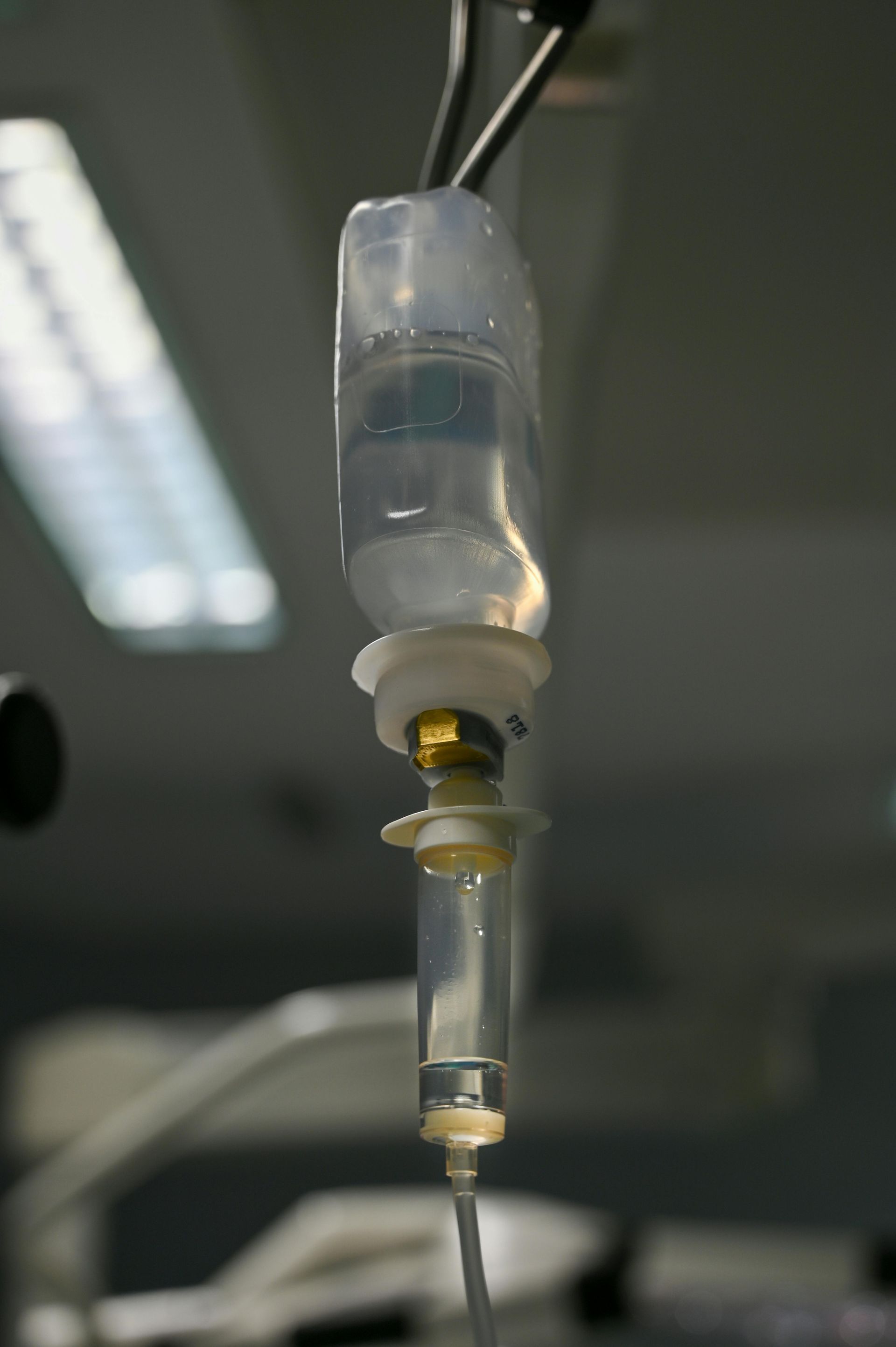
- IV nutrient therapy when clinically appropriate
There is no award for suffering unnecessarily.
Myth #8: Menopause Is the Beginning of Decline
Fact: Menopause can be the beginning of a powerful new chapter.
Menopause marks a transition, not an ending. Many women find that this stage of life brings increased confidence, clarity, freedom, and a renewed focus on their health and wellness.
By prioritizing prevention, nutrition, movement, stress management, and appropriate medical care, women can thrive well beyond menopause.
The Bottom Line
Menopause is not something to fear. It is a normal biological transition that deserves understanding, support, and evidence-based care.
The more we challenge myths and encourage open conversations, the more empowered women become to take charge of their health.
At The NP Xperience, we are passionate about helping women navigate perimenopause, menopause, hormone health, nutrition, and overall wellness so they can feel their best at every stage of life.
You don't have to navigate menopause alone. Knowledge is power, and support is available.
Interested in learning more about menopause, hormone health, or treatment options? Schedule a consultation with The NP Xperience and let's build a plan that's right for you.
📞 Call us with questions:
732‑908‑4522
Disclaimer: The information provided on this blog is for general informational purposes only and is not intended as, and should not be considered, medical advice. All information, content, and material available on this blog are for general informational purposes only. Readers are advised to consult with a qualified healthcare professional for medical advice, diagnosis, or treatment. The author and the blog disclaim any liability for the decisions you make based on the information provided. Always seek the advice of your physician or other qualified health provider with any questions you may have regarding a medical condition.