
IV Hydration Therapy: What It Is, Who It’s For, and How Fast You’ll Feel Better

March 24, 2026

If you’re feeling tired, run down, dehydrated, or just not bouncing back the way you used to, your body may be asking for more support. IV hydration therapy is one way we help patients feel replenished, supported, and re‑energized—quickly and safely—when appropriate.


At The NP Xperience, IV hydration is never a “one‑size‑fits‑all” service. We focus on education, safety, and whole‑body wellness, so you understand exactly what your body needs and why.


What Is IV Hydration Therapy?


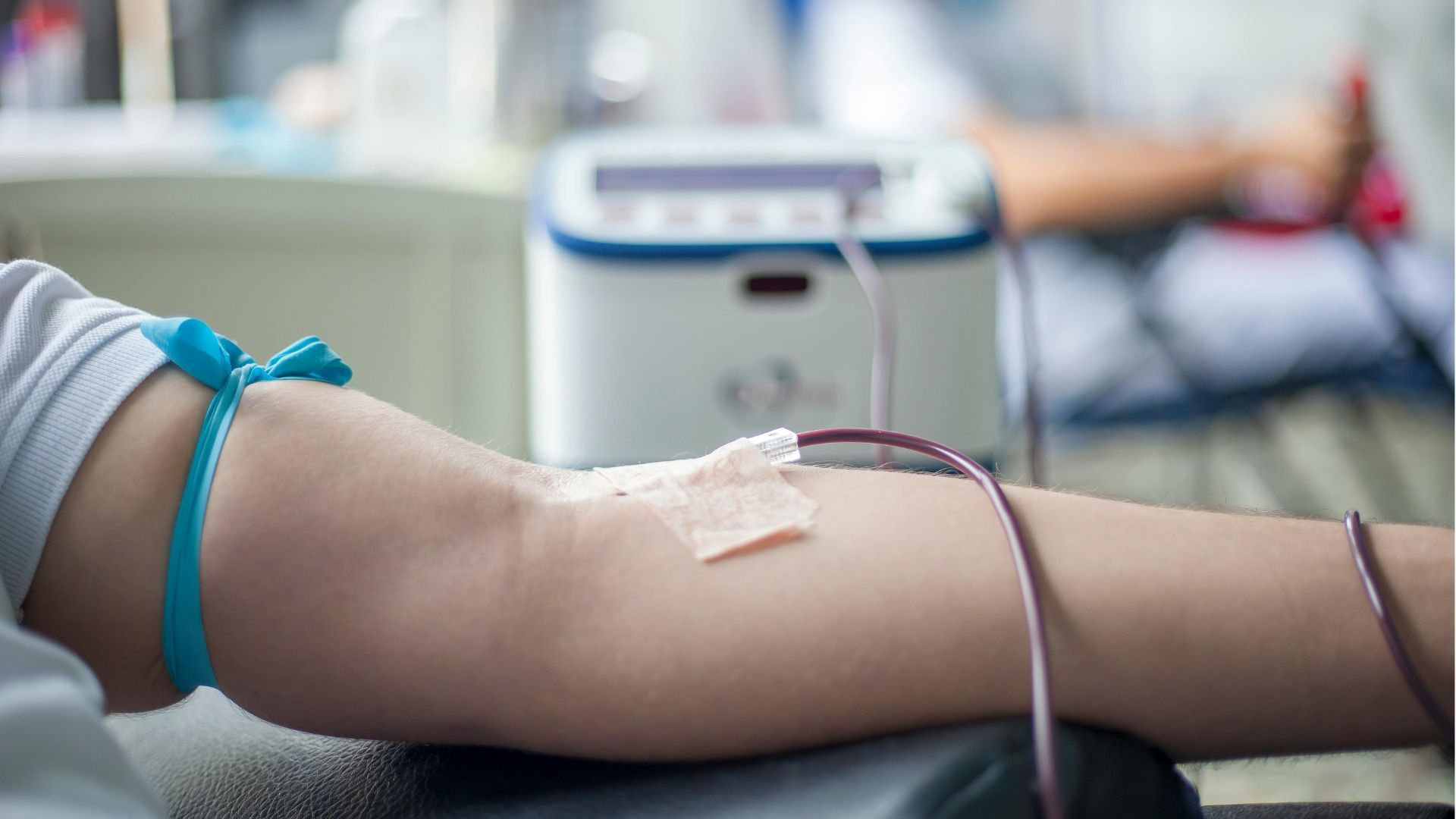
IV hydration therapy delivers fluids directly into your bloodstream through a small intravenous (IV) catheter. Because it bypasses the digestive system, your body can absorb fluids and nutrients more efficiently than drinking water alone—especially if you’re already depleted.

This therapy may be helpful when lifestyle, stress, travel, illness, or poor hydration habits have left you feeling off balance.


Who Is IV Hydration For?


IV hydration may be beneficial if you:

  • Feel chronically tired or sluggish
  • Don’t drink enough water consistently
  • Are recovering from travel, illness, or a busy schedule
  • Want support with energy, wellness, or recovery
  • Feel dehydrated despite drinking fluids


During your visit, we review your health history, medications, supplements, and goals to determine if IV hydration is appropriate for you.


What to Do Before Your IV Hydration Appointment


To help ensure the best experience:

  • Drink water before your visit
  • Eat a light meal or snack
  • Wear comfortable clothing with sleeves that roll up easily
  • Let us know about any medications, supplements, allergies, or medical conditions
  • Tell us if you are pregnant or have any concerns


Your safety and comfort always come first.


What to Expect During IV Hydration


Once your IV is started, you’ll relax in a calm, comfortable setting while the fluids infuse. Many patients describe the experience as peaceful and easy to fit into their day.


Everyone responds differently, but many people notice feeling refreshed shortly after their session.


What to Do After IV Hydration


After your appointment:

  • Continue drinking water
  • Listen to your body and notice how you feel over the next day or two
  • Reach out to us if you have any questions or concerns


Frequently Asked Questions About IV Hydration


How long does IV hydration take?

Most sessions are designed to be efficient while allowing time for monitoring and comfort.


How fast will I feel results?

Some patients feel refreshed quickly, while others notice benefits over the next day depending on hydration levels and lifestyle factors.


Is IV hydration safe?

When performed with proper screening and oversight, IV hydration can be safe. That’s why we take time to review your history before starting.


Should I eat before IV hydration?

Yes. A light meal or snack is recommended.


How often can you get IV hydration?

Frequency depends on your individual needs and goals, which we discuss with you.


The NP Xperience Difference


At The NP Xperience, we believe in prevention‑focused, patient‑centered care. IV hydration is just one part of our integrative approach to helping you feel your best—inside and out.


Ready to Book?


Schedule your IV hydration appointment with The NP Xperience in Old Bridge, NJ.


📞 Call: 732‑908‑4522
🌐 
Book Online: www.thenpxperience.com


This Week’s Offers:
✨ Ask about current IV hydration promotions and wellness packages when you book.


This blog is for educational purposes and does not replace personalized medical advice.


Disclaimer: The information provided on this blog is for general informational purposes only and is not intended as, and should not be considered, medical advice. All information, content, and material available on this blog are for general informational purposes only. Readers are advised to consult with a qualified healthcare professional for medical advice, diagnosis, or treatment. The author and the blog disclaim any liability for the decisions you make based on the information provided. Always seek the advice of your physician or other qualified health provider with any questions you may have regarding a medical condition.

An open book with the text
March 31, 2026
Discover how bioidentical hormone pellet therapy works, its benefits, risks, and whether it’s the right option for you. Expert care insights.
a man and a woman are laying on a bed under a blanket .
By Candice Robertson MSN, FNP-C February 22, 2024
When it comes to sexual function and diabetes, it's often a balancing act between the natural joy of intimacy and the challenges posed by this chronic condition. The good news is, with the right care and understanding, men with diabetes can still enjoy a healthy and satisfying sex life. Let's explore the pitfalls and potential solutions to ensure that diabetes doesn't stand in the way of a fulfilling relationship. Pitfall 1: Erectile Dysfunction (ED) Erectile dysfunction, or ED, is a common issue for men with diabetes. This occurs when there is damage to the nerves or blood vessels that control erections, which can be a result of high blood sugar levels over time. Solutions: Communication: Talk to your partner about any difficulties you're experiencing. Communication can help relieve anxiety and stress. Medication: There are several medications available that can help manage ED, including PDE5 inhibitors like Viagra or Cialis. However, it's important to consult with a healthcare professional before taking any these medications. Lifestyle Changes: Regular exercise, a balanced diet, and managing blood sugar levels can all contribute to overall better health and sexual function. There are continuous monitoring devices out there that can help you stay on top of blood sugar levels. Pitfall 2: Hypoglycemia and Hyperglycemia: Both low and high blood sugar levels can affect sexual function. Hypoglycemia (low blood sugar) can lead to fatigue, weakness, and decreased libido. On the other hand, hyperglycemia (high blood sugar) can cause dehydration, nerve damage, and reduced sensation. Solutions: Monitor blood sugar levels closely, especially before engaging in sexual activity. Keep a quick source of sugar on hand in case of hypoglycemia. Foreplay with gels and lotions that are sweetened can give you a boost if needed. Stay hydrated to avoid the complications of high blood sugar. Half your body weight in ounces up to 120 ounces is the suggested guide for how much water you should drink. Also getting in the habit of keeping a glass of water at the bed side can help replace fluid loss after intimacy. Pitfall 3: Psychological Effects: The stress and anxiety of managing diabetes can take a toll on mental health, including sexual health. Fear of hypoglycemia during intimacy or concerns about body image can lead to performance anxiety or reduced libido. Solutions: Practice mindfulness techniques or stress-reduction strategies. Talk to a therapist or counselor if anxiety or depression is impacting your relationship or sexual health. Communicate openly with your partner about your feelings and fears. Your partner will appreciate you for sharing. In conclusion, while diabetes can present challenges to sexual function, there are many ways to address these issues and maintain a fulfilling sex life. Open communication, managing blood sugar levels, and seeking appropriate medical care can help overcome the pitfalls and enhance the intimacy between partners. References: American Diabetes Association. (n.d.). Sexual health and diabetes. Retrieved from https://www.diabetes.org/sexual-health Mayo Clinic. (n.d.). Diabetes and sexual dysfunction: current perspectives. Retrieved from https://www.ncbi.nlm.nih.gov/pmc/articles/PMC4229557/ Diabetes UK. (n.d.). Diabetes and sex. Retrieved from https://www.diabetes.org.uk/guide-to-diabetes/life-with-diabetes/sex-life International Diabetes Federation. (n.d.). Diabetes and sexuality: a handbook for healthcare professionals. Retrieved from https://www.idf.org/component/attachments/?task=download&id=1348:Diabetes%20and%20Sexuality%20Booklet
a woman in a white robe is holding her hands on her stomach .
By Candice Robertson MSN, APN-C January 29, 2024
Ever felt a "gut feeling" about something? Turns out, that gut feeling isn't just a figure of speech – it's a reflection of the incredible connection between our brain and gut. In this article, let's take a friendly journey through the world of gut health, exploring the brain-gut connection and the delicious ways you can support your gut with fiber, fruits, veggies, and fermented foods while bidding farewell to overly processed options. The Brain-Gut Connection: Picture this: your brain and gut engaged in a constant chit-chat through a superhighway called the gut-brain axis. This axis is like a bridge between the central nervous system and the gut's enteric nervous system, affecting everything from our mood to how we handle stress. Research shows that the gut is home to a bustling community of microorganisms – the gut microbiota – that plays a starring role in keeping us in good shape, mentally and physically. The Fiber Fix: Let's talk about fiber – your gut's best friend. Fiber is like a VIP pass for beneficial bacteria in your gut. Whole grains, legumes, and a rainbow of fruits and vegetables are your go-to sources. Scientifically, studies tell us that a fiber-rich diet not only keeps things moving smoothly but also supports a diverse and happy gut microbiota. So, load up on those veggies and get your fiber fix for a gut that cheers you on. Fruits and Veggies: The Real Superheroes: Nature's superheroes come in the form of fruits and veggies. Packed with essential nutrients, they're like fuel for your gut engine. The more colorful, the better – each hue brings a unique set of benefits to your gut. From vitamins to antioxidants, these foods are your allies in promoting a healthy gut lining and maintaining a balanced microbiota. So, make your plate a canvas of health with a mix of fruits and veggies. Fermented Fun: Who knew that something as delicious as yogurt, sauerkraut, or kimchi could be good for your gut? These fermented delights are rich in probiotics – live beneficial bacteria that set up camp in your gut, keeping the peace and promoting digestive harmony. Including these tasty treats in your diet not only supports your gut but also adds a delightful twist to your meals. Your taste buds and gut will thank you! Processed Foods: The Sneaky Culprits: Let's chat about processed foods – the sneaky culprits that can throw a wrench into your gut's happy dance. High in additives and low in nutrients, processed foods can upset the balance in your gut microbiota. Opting for whole, unprocessed foods ensures that your gut gets the nutrients it craves without the potential downsides of additives. It's a win-win for your gut and overall well-being. So, there you have it – a friendly guide to nurturing your gut health. By understanding the brain-gut connection and embracing fiber, fruits, veggies, and fermented foods, you're not just supporting your gut but laying the groundwork for a happier, healthier you. If you want to know more about how your gut is performing, visit our website and order the Gut Zoomer . This at-home test will give you a full picture of your gut health and how you can go about fixing it. If you are seeking guidance you can reach The NP Xperience at 732.908.4522 and schedule an appointment. So, here's to celebrating the gut – the unsung hero behind the scenes of your body's health and well-being! References: Mayer, E. A., Tillisch, K., & Gupta, A. (2015). Gut/brain axis and the microbiota. The Journal of Clinical Investigation, 125(3), 926–938. Singh, R. K., Chang, H. W., Yan, D., Lee, K. M., Ucmak, D., Wong, K., ... & Liao, W. (2017). Influence of diet on the gut microbiome and implications for human health. Journal of Translational Medicine, 15(1), 73. Gibson, G. R., Hutkins, R., Sanders, M. E., Prescott, S. L., Reimer, R. A., Salminen, S. J., ... & Reid, G. (2017). Expert consensus document: The International Scientific Association for Probiotics and Prebiotics (ISAPP) consensus statement on the definition and scope of prebiotics. Nature Reviews Gastroenterology & Hepatology, 14(8), 491–502.
a woman is standing in front of a bowl of cereal and a measuring tape .
By Candice Robertson MSN, APN-C January 24, 2024
Hitting the gym after 45 isn't just about chasing mirror muscles (though, hey, you do you!). It's about building a foundation of functional fitness that fuels your life beyond the iron jungle. But it's not a solo mission! We're talking a five-pillar party: your gym workouts are just one piece of a holistic approach to staying fit and fabulous especially if you have the time. The Fab Five: Fuel Your Fury: Think of food as your workout's superhero sidekick. Ditch the crash-and-burn processed stuff and load up on nutrient-dense whole foods: fruits, veggies, whole grains, lean protein. Bonus points for colorful plates – variety keeps your body (and taste buds) happy along with your gut biomes. Sweat is Sweet: Hit the gym, but embrace the functional side: squats for grocery-toting power, lunges for park-dominating strides, rows for pulling off that epic DIY project. You'll feel the difference in everyday life (and maybe impress your kids and grandkids with your superhuman feats). Snooze to Slay: Sleep isn't just for wallflowers – it's a training superpower! Aim for 7-8 hours of quality sleep to repair those workout-weary muscles, boost your brainpower, and wake up feeling like a million bucks (because, let's face it, after 45, sleep is definitely worth its weight in gold). If you can’t get it all in one shot. Try a midday nap! Mind Your Mojo: Stress can hijack your fitness goals faster than you can say "carb crash." Enter meditation or prayer: it's like a mental massage, calming your inner chatter and leaving you feeling centered and ready to tackle whatever life throws your way (including that extra set of reps). Friends Fuel Fitness: We're social creatures, and finding your fitness tribe can be a game-changer. Join a group fitness class, find a workout buddy, or rally your friends for a virtual sweat session. Shared motivation and laughter make sticking to your goals fun and way less intimidating. Join some NPX staff walk and work out together along with members of Project Trnsfrm. Remember: This is your journey, not a competition. Celebrate small wins, listen to your body, and don't be afraid to laugh at yourself when you trip over a yoga mat (we've all been there, I certainly have!). Embrace the five pillars, find what works for you, and watch your fitness and overall well-being soar. You've got this! Bonus Tips: Hydrate like a hydra: Water is your workout BFF. Keep a reusable bottle by your side to stay quenched and energized. Rest is key: Don't be a gym warrior – schedule rest days to let your body recover and rebuild. Music magic: Find a pump-up playlist that makes you want to move mountains (or at least those dumbbells). Small changes, big impact: Start with one or two tweaks to your routine and build from there. Consistency is key! "Let's make 45 the age where we rewrite the rules of what it means to be fit and fabulous!"